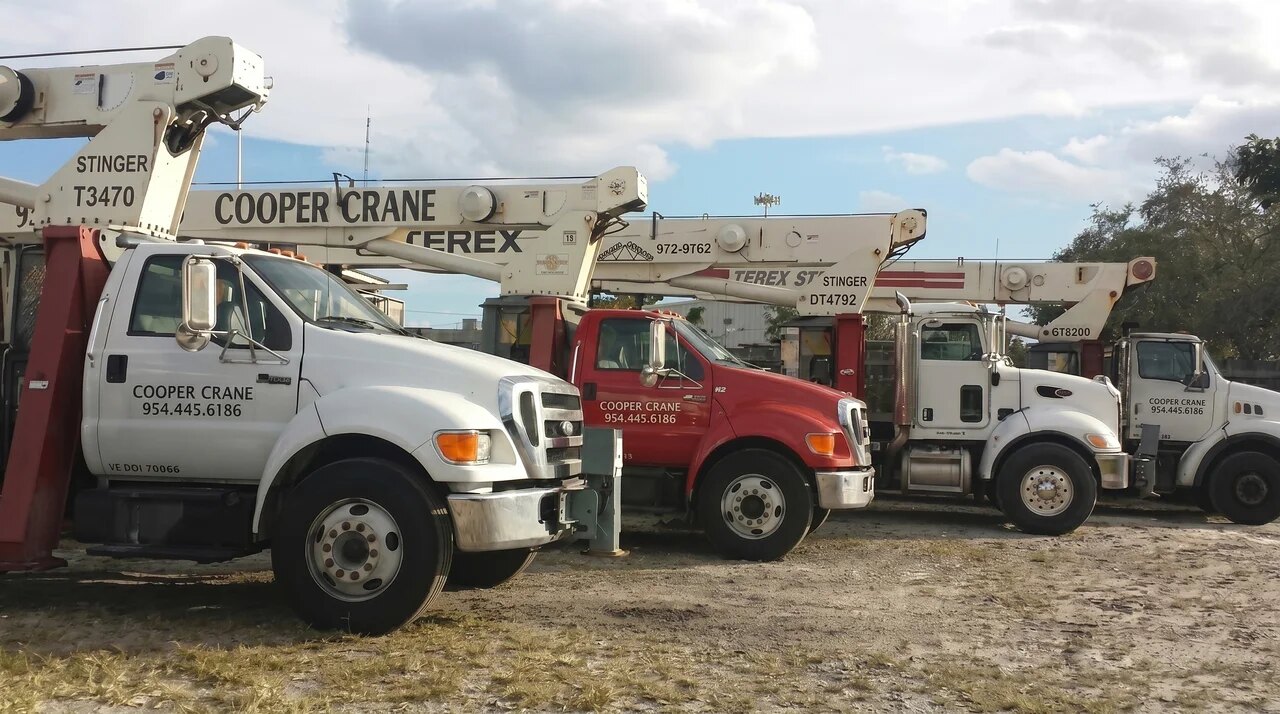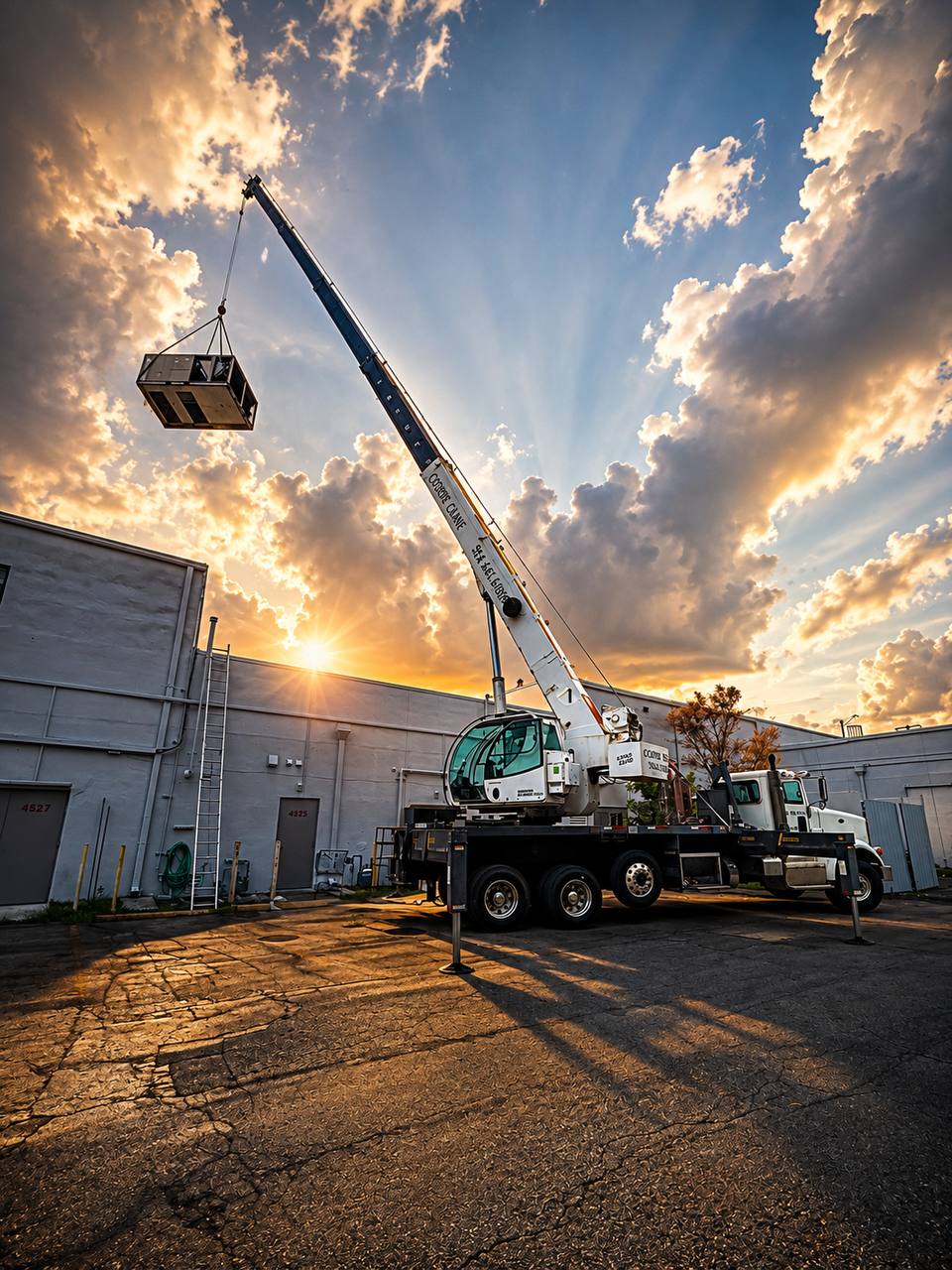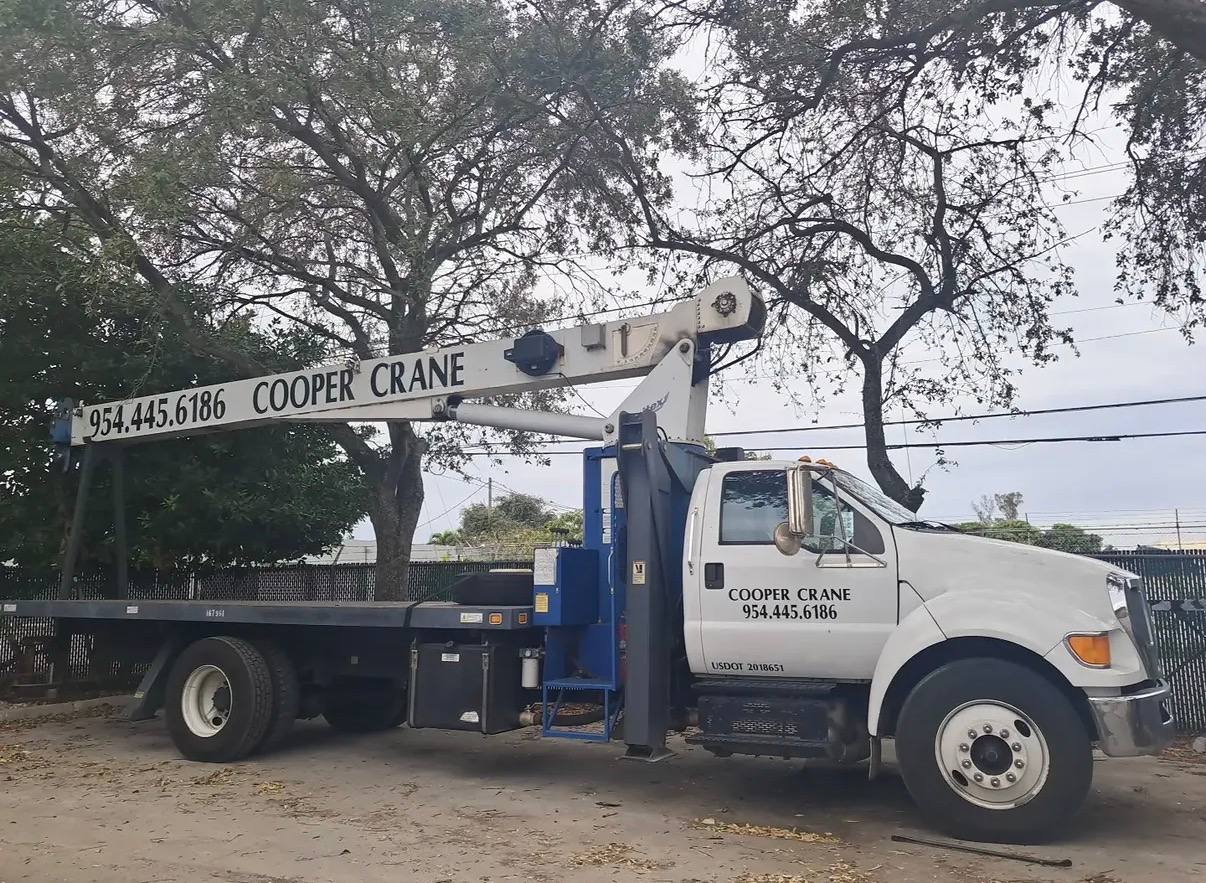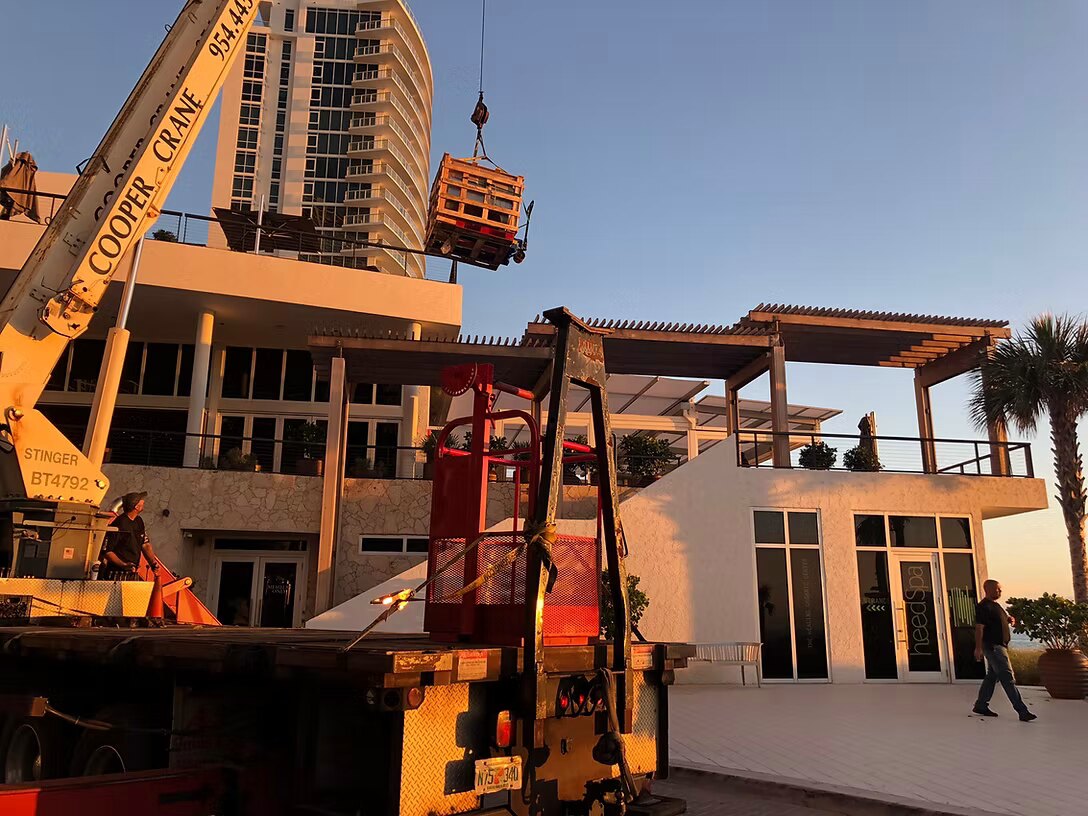
Generator Crane Lifts in South Florida
Generators are dense, awkward and expensive. They also tend to live in the worst possible spot: a side yard behind a fence, or a roof deck four stories up.
Rather just talk? Call the yard at (954) 445-6186
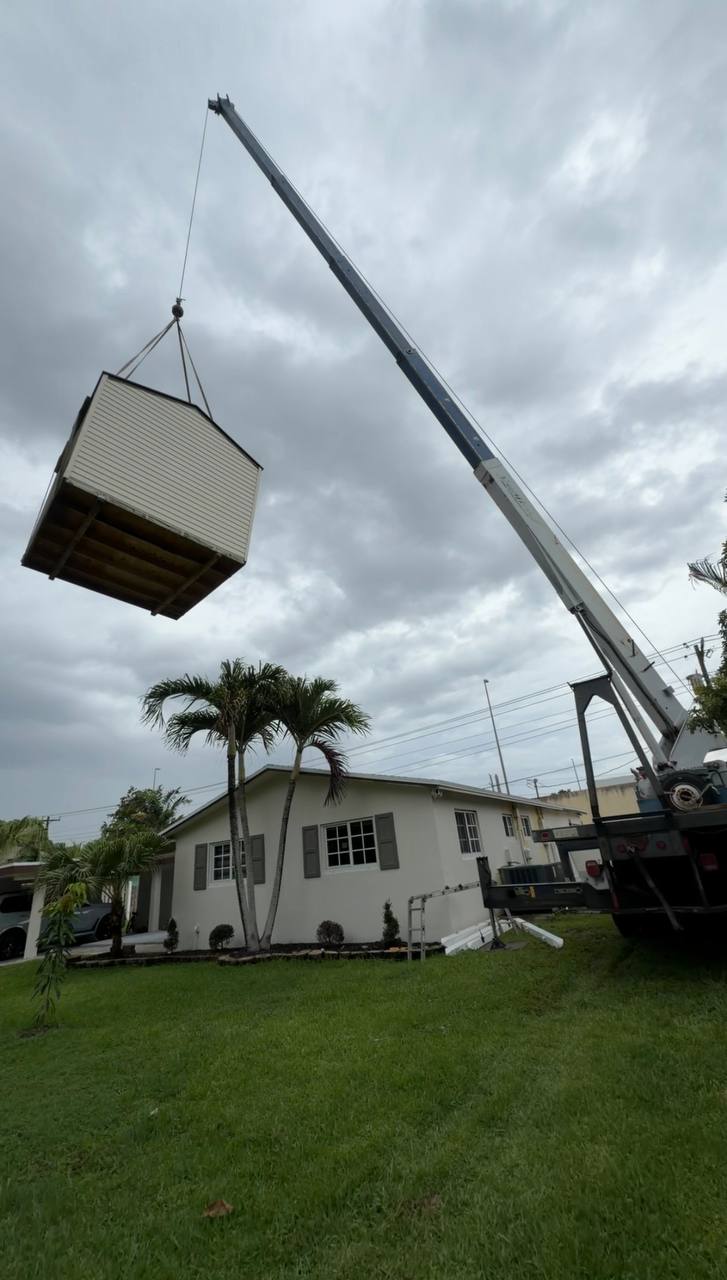
Hurricane season keeps this one busy. Residential standby units, commercial sets and rooftop installs all come down to the same problem: a very heavy object that has to land exactly on the anchor bolts, often over a wall, a pool cage or a finished driveway.
We set them slow and we set them square. An operator who rushes a generator pick is how pads get cracked and how enclosures get scratched before the thing has ever run.
- Typical machine
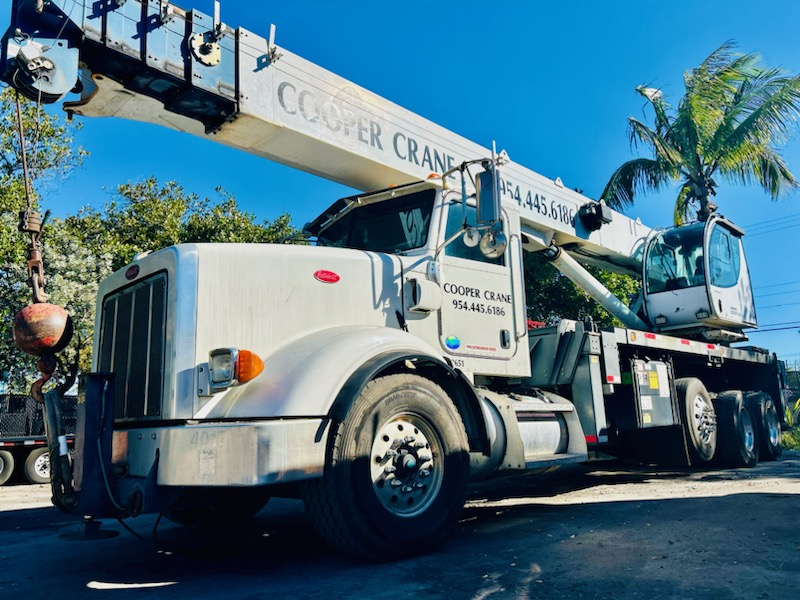
- 17 to 40 ton, reach dependent
- Residential standby
- Often 400 to 800 lb
- Send if you can
- Photo of the site and pad
- Storm season
- Call, do not email
What we ask about first
- Dry weight of the setOff the nameplate or the spec sheet. Residential standby is often 400 to 800 lb; commercial sets run several tons.
- Pad or roof, and how far inReach is usually the constraint, not capacity. A light unit far from the truck needs a bigger machine than a heavy one up close.
- What we have to clearPool cages, walls, fences, awnings and power lines all change the pick.
- Anchor set readyIf the pad is poured and the bolts are set, we can land it once and be done.
Rooftop and platform sets
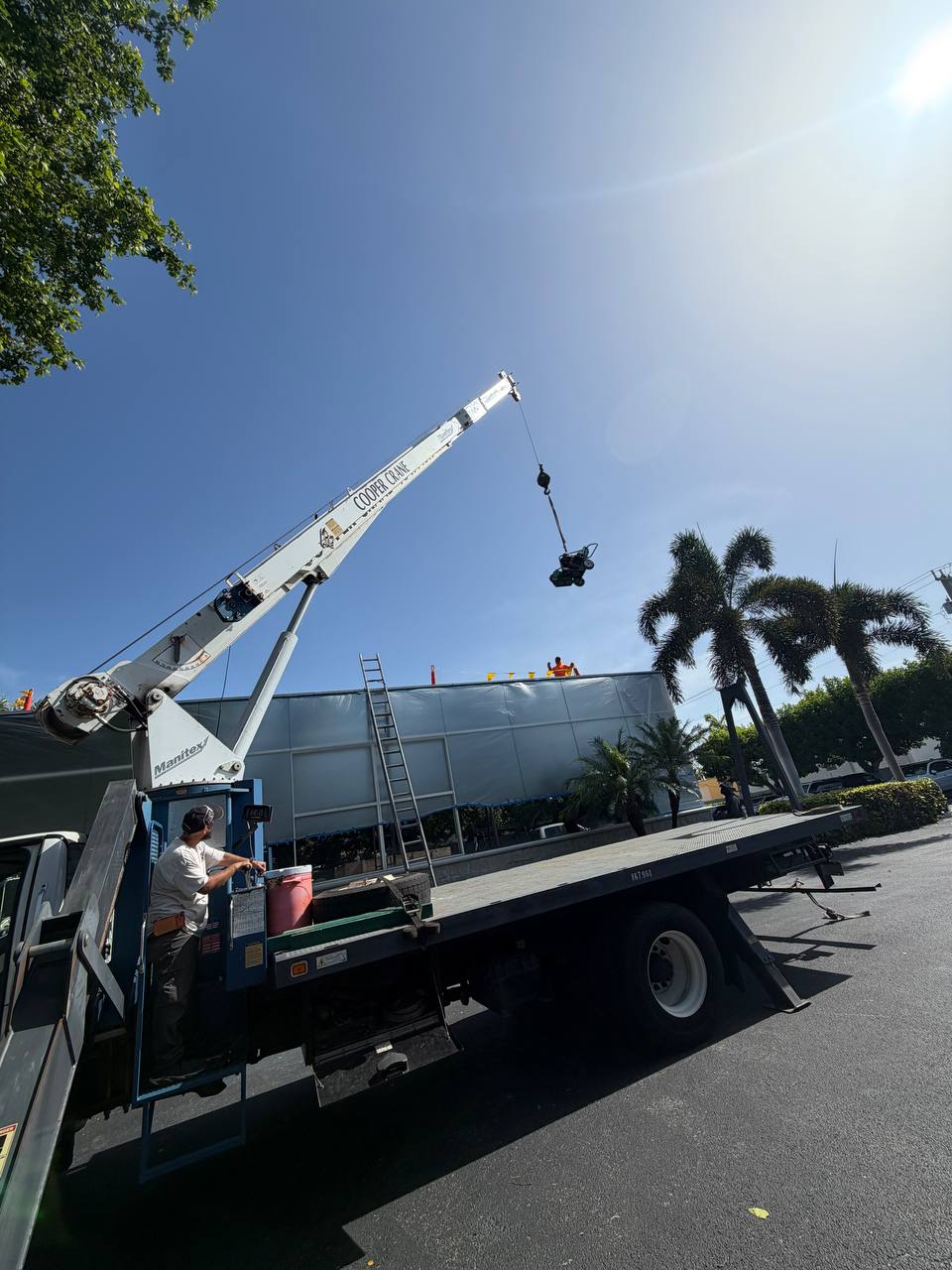
Rooftop generator work is the 35-ton and 40-ton end of our fleet, and it is the kind of lift where the crane has to reach high and far at the same time. Send a photo of the building and the intended location and we will tell you straight whether it is a one-crane job.
For emergency replacement after a storm, call the yard directly. Schedules move fast in that window and the phone gets you a real answer quicker than a form.
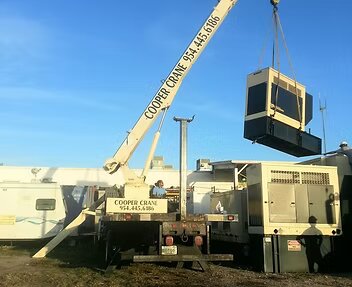
Generator Lift Questions
Generator Crane Lifts, Where You Need It
Same crane, same operator, wherever the job sits between West Palm Beach and South Miami.